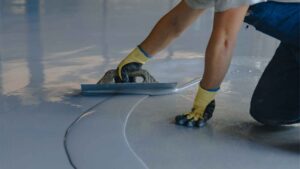
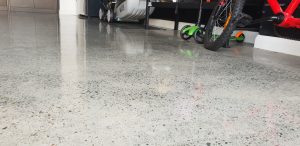
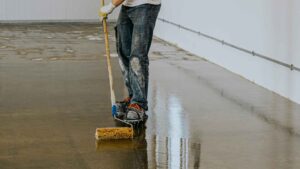
If your concrete is looking tired, stained, rough or worn, you don’t necessarily need to rip it out and start again. Concrete resurfacing can give an existing slab a fresh, durable surface without completely replacing the concrete underneath.
But there’s an important catch. Resurfacing isn’t a cure for every concrete problem. It works best when the existing slab is still structurally sound and the damage is mainly at the surface.
The preparation, repairs and resurfacing system all need to suit the condition of the concrete and how the area will be used.
What Is Concrete Resurfacing?
Concrete resurfacing involves preparing an existing concrete surface, repairing suitable damage and applying a new material or coating over the top.
It’s different from simply painting concrete.
A proper resurfacing job may involve mechanical grinding, removal of contaminants, crack repairs, priming and application of a suitable resurfacing or coating system.
Depending on the project, the finished surface might be:
- Smooth
- Textured
- Coloured
- Decorative
- Flaked
- Slip resistant
Resurfacing can be used on areas such as garage floors, driveways, patios, workshops and some commercial concrete surfaces.
The main attraction is straightforward: if the existing slab is sound, you may be able to restore it instead of removing and replacing it.
Can All Concrete Be Resurfaced?
No. This is one of the first things that should be established before starting.
Resurfacing is generally more suitable when the concrete has surface-level problems such as:
- Discolouration
- Staining
- Surface wear
- Minor cracking
- Rough texture
- Surface dusting
- General cosmetic deterioration
More serious problems can require a different approach.
These include:
- Major structural cracks
- Significant movement
- Severe spalling
- Extensive settlement
- Unstable sections
- Serious moisture problems
A new surface won’t stop an unstable slab from moving underneath it.
That’s why the condition of the existing concrete matters more than how bad it looks from above. A floor can look rough and still be a good candidate for resurfacing, while a relatively attractive slab with serious structural movement may not be.
How to Resurface Concrete
The exact process varies depending on the surface and the resurfacing system being used, but the basic workflow looks like this.
1. Inspect the Existing Concrete
Before anything is applied, the concrete needs to be assessed.
Look for cracks, spalling, holes, previous coatings, oil contamination, uneven areas and signs of moisture.
The purpose isn’t just to find imperfections. It’s to determine whether the slab can actually support a new surface.
If there is significant movement or structural damage, resurfacing may not be the right solution.
2. Clean the Surface
Dirt and dust aren’t the only things that can interfere with a resurfacing system.
Garages and workshops can have years of:
- Oil
- Grease
- Tyre residue
- Chemical spills
- Paint
- Dirt
- Previous coatings
These contaminants can prevent proper adhesion.
This is one reason simply pressure washing old concrete and applying a new coating often produces disappointing results. The surface may look clean, but contaminants can remain embedded in the concrete. Learn how to properly clean epoxy garage floors.
3. Mechanically Prepare the Concrete
This is one of the most important stages.
Mechanical grinding or another suitable preparation method can remove weak surface material and contaminants while creating the surface profile needed for the new system to bond properly.
The goal isn’t to make the concrete look rough for the sake of it.
It’s about creating a suitable substrate for the resurfacing material.
Poor preparation is one of the common reasons coatings and overlays eventually peel, blister or delaminate.
4. Repair Cracks and Damaged Areas
Existing damage needs to be assessed before the new surface goes down.
Small surface cracks may be repairable, while larger or moving cracks need more careful attention.
Other repairs may involve:
- Small holes
- Spalled areas
- Damaged edges
- Surface deterioration
It’s important to understand that filling a crack doesn’t necessarily eliminate the reason it appeared.
If the underlying concrete continues to move, the crack can eventually reflect through the new surface.
5. Apply the Resurfacing System
Once the substrate has been prepared and repaired, the appropriate resurfacing material or coating can be applied.
The right system depends on the environment and intended use.
Potential options include:
- Concrete overlays
- Polymer-modified resurfacing materials
- Epoxy coatings
- Polyaspartic systems
- Decorative resurfacing systems
These products aren’t interchangeable.
A residential garage, exposed driveway and busy commercial floor have different requirements, so the resurfacing system should be selected accordingly.
6. Create the Desired Finish
The finish can be tailored to the space.
For example, a garage may suit a decorative flake system, while an outdoor area may need additional texture for slip resistance.
Depending on the product, finishes can range from simple solid colours to more decorative surfaces.
This is where resurfacing can do more than simply repair worn concrete. It can change the overall appearance of an otherwise tired space.
7. Allow the Surface to Cure
The final stage is curing.
Curing time varies depending on the product, thickness, temperature, humidity and application conditions.
Don’t assume every resurfacing system is ready for foot traffic or vehicles after the same amount of time.
Putting heavy traffic onto a surface before it’s ready can damage the finish and compromise the result.
Can You Resurface Concrete Yourself?
For a small, straightforward project, DIY resurfacing may seem tempting.
The materials themselves can look relatively simple to apply. But the difficult part isn’t always rolling or spreading the final product.
Preparation is where many resurfacing projects succeed or fail.
You need to identify the condition of the concrete, remove contaminants, mechanically prepare the surface, deal with suitable repairs and choose the right system.
DIY may be reasonable for someone experienced with concrete preparation and smaller cosmetic projects.
Professional resurfacing becomes more valuable when you’re dealing with:
- Large areas
- Oil contamination
- Existing coatings
- Significant cracking
- Moisture concerns
- Heavy traffic
- Commercial floors
- A high-performance finish
If the existing slab isn’t suitable, applying an expensive resurfacing product won’t make the underlying problem disappear.
What Types of Concrete Can Be Resurfaced?
Garage Floors
Garages commonly suffer from oil stains, tyre marks, surface dusting and general wear.
A suitable resurfacing or coating system can transform the appearance while creating a surface that’s easier to clean and better suited to vehicle use.
Driveways
Driveways have to handle vehicle traffic, weather and repeated exposure to the elements.
The selected system needs to account for outdoor conditions, UV exposure, drainage and slip resistance.
Patios
Patios are usually more focused on appearance and everyday foot traffic, although outdoor exposure still matters.
A decorative resurfacing system can give an ageing concrete patio a completely different look without replacing the entire slab.
Workshops and Commercial Floors
These surfaces may face heavier traffic, equipment, abrasion, spills and chemicals.
A more robust flooring system may be required than one intended for a lightly used residential area.
Does Concrete Resurfacing Fix Cracks?
Sometimes, but it depends on the crack.
Minor surface cracking may be repairable before resurfacing. However, structural or moving cracks are a different issue.
There is a major difference between covering a crack and addressing the movement that caused it.
If the concrete continues to move, the crack can eventually appear through the resurfaced surface.
That’s why significant cracking should be assessed before deciding that resurfacing is the right solution.
Can Resurfacing Fix Uneven Concrete?
Not always.
Minor surface irregularities may be improved depending on the resurfacing system, but significant settlement or major changes in level can require more extensive work.
If part of a slab has sunk, cracked badly or created a trip hazard, simply adding a thin surface layer may not solve the underlying problem.
Resurfacing improves the surface. It doesn’t automatically level or structurally rebuild a badly damaged slab.
How Long Does Concrete Resurfacing Last?
There isn’t one guaranteed lifespan for every resurfaced concrete surface.
Longevity depends on:
- Condition of the original slab
- Quality of preparation
- Resurfacing system
- Installation
- Vehicle and foot traffic
- Weather exposure
- Maintenance
A properly prepared and installed surface can provide years of service, but a heavy-use commercial floor will naturally experience different demands from a lightly used patio.
The condition of the concrete underneath remains particularly important. A high-quality finish can’t compensate for major structural movement below it.
Common Concrete Resurfacing Mistakes
A few shortcuts can cause problems later.
Applying Over Contaminated Concrete
Oil, grease and other contaminants can interfere with adhesion.
Skipping Mechanical Preparation
A smooth or weak surface may not provide the right conditions for the new system to bond.
Covering Structural Problems
A new surface won’t stabilise a slab that’s already moving or failing.
Ignoring Moisture
Moisture within or beneath the concrete can contribute to bubbling, peeling and other coating failures.
Choosing the Wrong Product
An outdoor driveway doesn’t necessarily need the same system as a garage or commercial workshop.
Rushing the Cure
Heavy traffic too soon can damage a newly resurfaced floor.
Focusing Only on Appearance
A floor can look impressive immediately after installation but still fail if the preparation or product selection was wrong.
Is Resurfacing Better Than Replacing Concrete?
It depends on the condition of the existing slab.
Resurfacing can make sense when:
- The concrete is structurally sound
- Most of the damage is superficial
- You want to improve the appearance
- You want to avoid demolition
- You want to extend the useful life of the existing surface
Replacement may be more appropriate when the slab has extensive structural damage, major settlement, severe movement or other problems that resurfacing can’t realistically address.
The cheapest option isn’t always the best option either. Resurfacing a slab that should have been replaced can simply delay the same problem and leave you paying twice.
How Much Does Concrete Resurfacing Cost?
There isn’t a useful one-size-fits-all price because the condition of the concrete can make a major difference.
Factors that affect the cost include:
- Total area
- Existing surface condition
- Amount of grinding required
- Oil or chemical contamination
- Crack and damage repairs
- Selected resurfacing system
- Decorative finish
- Site access
- Labour
- Intended use
Two driveways of the same size could require completely different amounts of preparation.
That’s why an on-site assessment is usually more useful than judging a resurfacing quote based on square metres alone.
How Do You Maintain Resurfaced Concrete?
Once the system has properly cured, maintenance is generally straightforward.
Sweep or vacuum regularly to remove dirt and grit, clean spills promptly and use cleaning products recommended for the particular system.
Avoid aggressive abrasive tools that can unnecessarily wear the surface.
For outdoor concrete, make sure drainage works properly and avoid allowing water to remain around problem areas.
If you notice chips, peeling or cracking, investigate the cause early rather than simply applying another layer over the damaged area.
Final Verdict: Is Concrete Resurfacing Worth It?
Concrete resurfacing can be an effective way to restore old, worn or unattractive concrete when the underlying slab is still structurally sound.
It can improve the appearance and performance of garages, driveways, patios, workshops and other suitable concrete surfaces without the disruption of completely replacing the slab.
But resurfacing isn’t a cure-all.
The existing concrete needs to be assessed first. Cracks and damage need to be dealt with appropriately, contaminants need to be removed and the surface needs proper preparation before the new system is applied.
If the slab is fundamentally sound, resurfacing can be a practical way to give old concrete a new lease on life. If the underlying concrete is unstable or severely damaged, replacement or more substantial repairs may be the better investment.
Frequently Asked Questions
Find answers to common questions about concrete resurfacing, cracked slabs, durability, DIY projects and resurfacing costs.