Epoxy garage floors are known for their clean, glossy finish and tough surface, which is exactly why so many homeowners in Australia choose them over bare concrete. But once the floor is installed, a very common question comes up sooner or later.
How do you actually clean it without damaging it?
Most people assume epoxy is completely maintenance-free. That’s only half true. It’s low maintenance, not zero maintenance. And the difference matters more than people think.
The good news is that cleaning an epoxy garage floor is not complicated. In fact, it’s easier than concrete or tiled surfaces in most cases. But there is a catch. The way you clean it directly affects how long it keeps its shine, how well it resists stains, and whether it starts looking dull over time.
This guide breaks everything down in a simple way so you know exactly what to do, what to avoid, and how to keep your garage floor looking fresh for years.
Understanding Epoxy Garage Floors First
Before jumping into cleaning methods, it helps to understand what you are actually cleaning.
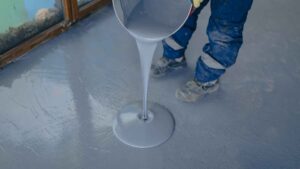
Epoxy flooring is not paint. It is a resin-based coating that bonds to the concrete surface and forms a sealed layer. That layer is what gives it strength, gloss, and resistance to stains.
Because the surface is sealed, dirt and liquids sit on top rather than soaking in like they would with raw concrete. That is why epoxy floors are easier to clean in the first place.
But here’s the part many homeowners overlook. Even though the surface is tough, the topcoat can still be affected by harsh chemicals, abrasive tools, or poor cleaning habits. Over time, this can reduce the gloss and create dull patches.
So the goal of cleaning is not just removing dirt. It is protecting the finish.
How Often Should You Clean an Epoxy Garage Floor?
There is no strict rule, but most garages fall into a simple rhythm.
Light Cleaning (Weekly)
A quick sweep or dust removal once a week is usually enough to stop grit and dust from building up. This matters more than people think because tiny particles can act like sandpaper if left on the surface.
Regular Cleaning (Monthly)
A gentle wash using water and a mild cleaner helps maintain the finish and removes light marks, tyre dust, and general grime.
Deep Cleaning (Occasional)
Every few months, especially in busy garages, a deeper clean helps remove oil spots or stubborn marks that have built up over time.
The key idea here is consistency. Small, regular cleaning is always easier than heavy restoration later.
Basic Daily and Weekly Cleaning Method
This is where most of your maintenance happens.
Dry Cleaning First
Start with a simple sweep or dust mop. This step is often ignored, but it is actually the most important part of maintaining the surface.
Why? Because dry dirt and grit are the main cause of micro-scratches over time. If you drag them across the surface during wet cleaning, you slowly reduce the shine.
A soft broom or microfiber dust mop works best here.
Wet Cleaning
For light washing, warm water and a mild detergent is more than enough.
You do not need anything fancy. A bucket of water, a soft mop, and a gentle cleaner will handle most everyday dirt.
The key is to avoid over-wetting the floor. Epoxy does not absorb water, so excess liquid just sits on top and takes longer to dry.
A damp mop is better than a soaking wet one.
Best Cleaning Products for Epoxy Floors
Choosing the right cleaner makes a bigger difference than most people expect.
Safe Cleaning Options
Stick to:
- pH-neutral cleaners
- Mild dish soap solutions
- Warm water mixes
- Dedicated epoxy-safe floor cleaners
These are gentle enough to clean without affecting the topcoat.
Best Tools to Use
- Microfiber mop
- Soft bristle broom
- Non-abrasive sponge
- Soft cloth for spot cleaning
These tools clean effectively without scratching the surface.
What NOT to Use on Epoxy Floors
This is where most long-term damage happens.
Harsh Chemicals
Avoid anything strong or acidic like:
- Bleach
- Ammonia-based cleaners
- Vinegar solutions (commonly suggested online but not ideal for regular use)
- Strong industrial degreasers unless specifically safe for epoxy
These can slowly dull the surface or weaken the protective top layer.
Abrasive Tools
Never use:
- Steel brushes
- Hard scrubbing pads
- Abrasive powders
- Rough sanding tools
Even though epoxy is tough, the glossy finish is still a surface layer. Once it gets scratched, you cannot simply “clean it back.”
How to Remove Common Stains
No garage stays perfectly clean. Oil leaks, tyre marks, and spills are part of normal use. The difference is how quickly you deal with them.
Oil and Grease Stains
Oil is the most common issue in garages.
If you catch it early, you can usually remove it easily.
- Wipe excess oil immediately
- Use absorbent material if needed
- Apply a mild degreaser
- Gently scrub with a soft cloth
If oil sits for too long, it becomes harder to remove completely, so timing matters.
Tyre Marks
Tyre marks happen from heat and friction when cars park or move.
To remove them:
- Use warm water and mild cleaner
- Gently scrub with a soft brush or cloth
- Avoid aggressive scrubbing, which can dull the finish
Regular cleaning usually prevents tyre marks from becoming permanent.
Chemical Spills
Things like brake fluid or coolant should be cleaned quickly.
- Wipe immediately
- Clean with mild detergent solution
- Rinse lightly and dry
The faster you act, the lower the chance of staining.
Dirt and Mud
This is usually the easiest to handle.
- Let mud dry first
- Sweep or vacuum it off
- Follow with a damp mop
Trying to clean wet mud often spreads it around unnecessarily.
Deep Cleaning Epoxy Garage Floors
Sometimes your floor needs more than just light maintenance.
When Deep Cleaning Is Needed
You may need a deeper clean if:
- The garage is used as a workshop
- There is visible oil buildup
- The floor has not been cleaned for a while
- Seasonal cleaning is due
Step-by-Step Deep Clean
- Start with a full sweep or vacuum
- Mix a mild cleaning solution in warm water
- Mop the entire surface evenly
- Spot scrub any stubborn stains
- Rinse lightly with clean water
- Allow it to air dry
The goal is not to scrub aggressively, but to reset the surface cleanly.
Common Mistakes Homeowners Make
Most epoxy floor problems do not come from the product itself. They come from maintenance habits.
Using Harsh Cleaners
Strong chemicals might seem effective, but they slowly reduce the shine and protective layer.
Scrubbing Too Hard
People often think more force equals better cleaning. On epoxy, that is not true. It only increases the risk of dull patches.
Ignoring Spills
Oil or chemical spills left too long become harder to remove and may leave permanent marks.
Using Pressure Washers Incorrectly
Pressure washers can be used carefully, but high pressure at close range can damage the coating or force water into weak points.
How to Maintain Shine and Finish
One of the biggest reasons people choose epoxy flooring is the glossy finish. Keeping that finish requires simple habits.
Protect the Surface Regularly
Regular sweeping is more important than deep cleaning. Dust and grit are the main cause of dullness.
Avoid Surface Damage
Dragging heavy tools or sharp objects across the floor can leave marks that are difficult to fix.
Keep Cleaning Simple
You do not need complicated products. Most epoxy floors stay in great condition with basic care.
Long-Term Maintenance Tips
If you want your epoxy floor to last years without issues, consistency matters more than effort.
- Sweep once a week
- Mop once or twice a month
- Clean spills immediately
- Avoid harsh chemicals
- Do occasional deep cleaning when needed
It is not about doing a lot. It is about doing small things regularly.
Professional Maintenance vs DIY Cleaning
Most cleaning can easily be done at home. But there are times when professional help makes sense.
DIY Cleaning Works When:
- The floor is lightly used
- Stains are minor
- Regular maintenance is followed
Consider Professional Help When:
- There is heavy oil staining
- The surface looks dull despite cleaning
- The topcoat appears worn
- You are preparing for renovation or resale
Professionals can sometimes restore shine or recoat areas if needed.
Final Thoughts
Cleaning an epoxy garage floor is not difficult, but doing it correctly makes a long-term difference.
Most issues people face, like dullness, marks, or staining, do not come from the flooring itself. They come from cleaning habits that slowly damage the finish over time.
If you keep things simple, avoid harsh chemicals, and stay consistent with light maintenance, an epoxy floor will hold its appearance and performance for years without much effort.
In the end, the goal is not just to clean the floor. It is to protect what you invested in and keep it looking the way it was meant to look from day one.
“`htmlFrequently Asked Questions
Learn how to properly clean and maintain your epoxy garage floor with answers to the most common maintenance questions.