A garage floor takes more punishment than almost any other surface around the home. Cars bring in dirt, water, oil, and tyre residue. Tools get dropped, heavy equipment gets dragged across the floor, and years of wear gradually leave concrete looking stained, dusty, and tired.
That is why many homeowners turn to epoxy flooring.
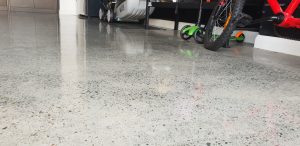
A properly installed epoxy garage floor creates a durable, attractive surface that is easier to clean, more resistant to damage, and capable of transforming an ordinary garage into a space that feels more like a workshop or showroom.
However, there is one important thing many DIY guides fail to mention.
The success of an epoxy floor is not determined by the coating itself. It is determined by the preparation underneath it.
Many garage floors that peel, bubble, or fail within months are not the result of bad epoxy products. They are usually caused by poor surface preparation, moisture issues, or shortcuts taken during installation.
If you’re considering epoxy flooring for your garage, this guide will walk you through the entire process, from assessing your concrete through to curing and maintenance.
Is Epoxy Flooring the Right Choice for Your Garage?
Before buying materials or preparing your floor, it is worth understanding what epoxy flooring actually does and whether it is suitable for your situation.
Epoxy flooring is a resin-based coating system that bonds directly to prepared concrete. Once cured, it creates a hard-wearing surface capable of handling vehicle traffic, oil spills, and everyday garage use.
Benefits of Epoxy Garage Flooring
Many Australian homeowners choose epoxy flooring because it offers:
- Improved appearance
- Resistance to oil stains and chemicals
- Easier cleaning and maintenance
- Reduced concrete dusting
- Greater durability under vehicle traffic
- Better resistance to tyre marks
- Long-term protection for the concrete slab
A well-installed epoxy floor can dramatically improve the appearance of a garage while making the space more practical for storage, hobbies, and workshop activities.
When Epoxy Flooring May Not Be Suitable
Not every garage floor is ready for epoxy.
You may need additional repairs or preparation if your concrete has:
- Significant structural cracking
- Ongoing moisture problems
- Severe contamination from oil or grease
- Existing coatings that are failing
Applying epoxy over problematic concrete rarely solves the issue. In most cases, it simply hides the problem temporarily before failure occurs.
Tools and Materials You’ll Need
The quality of your installation depends heavily on using the right equipment.
Essential Tools
- Concrete grinder
- Industrial vacuum
- Mixing buckets
- Roller frames and covers
- Paint brushes
- Safety glasses
- Respirator
- Gloves
Materials
- Epoxy primer
- Epoxy coating system
- Crack repair compound
- Degreaser
- Protective top coat
- Decorative flakes (optional)
Many DIY kits include basic materials, but higher-quality systems often require purchasing components separately.
Step 1: Inspect the Existing Concrete Floor
Before doing anything else, thoroughly inspect the floor.
Look for:
- Cracks
- Chips
- Spalling
- Oil stains
- Existing coatings
- Moisture issues
This step helps determine how much preparation work will be required.
Many people make the mistake of assuming their concrete is ready for coating because it looks relatively clean. Unfortunately, appearance alone can be misleading.
Concrete can contain contaminants deep within the surface that prevent epoxy from bonding properly.
Check for Moisture Problems
Moisture is one of the biggest causes of epoxy floor failure.
A simple moisture test involves taping a sheet of plastic to the floor and leaving it for 24 hours.
If condensation appears underneath the plastic, excessive moisture may be present.
Ignoring moisture problems can lead to bubbling, peeling, and delamination after installation.
Step 2: Repair Cracks and Surface Damage
Once you’ve assessed the floor, repair any visible damage.
Small cracks may seem harmless, but they often become visible through the finished coating if left untreated.
Repairing Cracks
Begin by cleaning loose debris from the crack.
Apply a suitable concrete repair compound and allow it to cure according to the manufacturer’s instructions.
The goal is to create a smooth, stable surface before coating begins.
Repairing Surface Defects
Damaged or pitted concrete should also be repaired.
Epoxy does not hide imperfections particularly well. In fact, glossy finishes often make defects more noticeable.
Spending extra time on repairs usually produces a far better final result.
Step 3: Prepare the Surface Properly
This is the most important stage of the entire project.
If you ask professional flooring installers why epoxy floors fail, surface preparation is almost always the answer.
Why Surface Preparation Matters
Epoxy must bond directly to clean, properly profiled concrete.
If contaminants remain on the surface, the coating cannot achieve adequate adhesion.
Even the most expensive epoxy system will eventually fail if preparation is poor.
Concrete Grinding vs Acid Etching
Many DIY kits promote acid etching as a preparation method.
While acid etching may improve adhesion slightly, professional installers generally prefer mechanical grinding.
Grinding provides:
- Better surface profiling
- More consistent preparation
- Improved epoxy adhesion
- Greater removal of contaminants
For long-term durability, concrete grinding is usually the preferred approach.
Cleaning the Surface
After grinding, vacuum the floor thoroughly.
Any remaining dust can interfere with adhesion and create imperfections within the coating.
The floor should be completely clean before proceeding.
Step 4: Apply the Epoxy Primer
Primer helps improve adhesion and creates a stable foundation for the coating system.
Some homeowners skip this step in an attempt to save money.
Unfortunately, this often leads to reduced performance and shorter lifespan.
Applying Primer
Follow the manufacturer’s instructions carefully.
Apply the primer evenly across the floor using rollers and brushes where necessary.
Avoid leaving puddles or uneven coverage.
Allow the primer to cure as specified before applying additional coats.
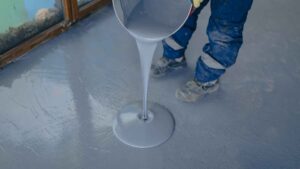
Step 5: Mix and Apply the Epoxy Coating
Once the primer has cured, it is time to apply the main coating.
This stage requires attention to detail because epoxy has a limited working time.
Understanding Pot Life
Pot life refers to the amount of time epoxy remains usable after mixing.
Once the chemical reaction begins, the product gradually thickens and becomes difficult to work with.
Always mix manageable quantities rather than large batches.
Mixing Correctly
Most epoxy systems consist of two components.
Accurate mixing ratios are essential.
Incorrect ratios can result in:
- Soft spots
- Uneven curing
- Reduced durability
- Adhesion problems
Always follow product specifications carefully.
Applying the Coating
Use rollers designed for epoxy applications.
Work methodically across the floor, maintaining a wet edge wherever possible.
This helps prevent visible roller marks and ensures a more consistent finish.
Step 6: Add Decorative Flakes (Optional)
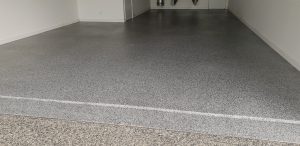
Decorative flakes have become increasingly popular in Australian garages.
They provide visual appeal while also helping hide minor imperfections and surface dirt.
Benefits of Flake Flooring
Flake systems offer:
- Enhanced appearance
- Improved slip resistance
- Better texture
- Greater visual depth
Many homeowners prefer flake flooring because it creates a more professional, showroom-style appearance.
Applying Flakes
Flakes are typically broadcast onto the wet epoxy surface before curing.
The amount used depends on the desired finish.
Some installations feature light decorative coverage, while others achieve full flake saturation.
Step 7: Apply the Protective Top Coat
Once the epoxy and flakes have cured, a protective top coat is applied.
This final layer helps protect the floor from:
- Abrasion
- Chemicals
- Tyre marks
- Moisture
- UV exposure
The top coat often plays a major role in determining how well the floor performs over time.
Skipping this step can significantly reduce durability.
Step 8: Allow Proper Curing Time
This is another stage where many DIY projects go wrong.
The floor may appear dry, but appearance does not mean it is fully cured.
Typical Curing Times
While products vary, many systems follow a general timeline:
- Light foot traffic: 24 hours
- Moderate use: 48 to 72 hours
- Vehicle traffic: 5 to 7 days
Always follow the manufacturer’s recommendations.
Parking a vehicle too early can damage the surface before curing is complete.
Temperature and Humidity Considerations
Australian weather conditions can influence curing times.
Higher humidity and lower temperatures may slow curing, while warmer conditions often accelerate it.
Plan your installation around favourable weather whenever possible.
Common Epoxy Garage Floor Mistakes to Avoid
Many epoxy failures are completely preventable.
Here are some of the most common mistakes homeowners make.
Skipping Surface Preparation
This is by far the biggest mistake.
No coating system can compensate for inadequate preparation.
Ignoring Moisture Issues
Moisture trapped beneath epoxy can cause blistering and delamination.
Always test before installation.
Using Cheap Products
Low-cost kits may seem appealing initially, but poor-quality materials often deliver disappointing results.
Rushing the Process
Every stage requires adequate curing and preparation time.
Trying to complete the project too quickly often leads to problems later.
Incorrect Mixing
Even small mistakes during mixing can affect performance.
Measure carefully and follow instructions precisely.
DIY vs Professional Epoxy Flooring Installation
Many homeowners debate whether to tackle the project themselves or hire a professional.
Advantages of DIY
- Lower upfront cost
- Personal satisfaction
- Flexible scheduling
Challenges of DIY
- Equipment costs
- Learning curve
- Risk of mistakes
- Surface preparation requirements
Advantages of Professional Installation
Professional contractors typically use:
- Industrial grinding equipment
- Commercial-grade materials
- Proven installation techniques
- Advanced preparation methods
For homeowners seeking maximum durability and appearance, professional installation often delivers superior long-term value.
How Long Does an Epoxy Garage Floor Last?
A properly installed epoxy garage floor can last many years.
The exact lifespan depends on factors such as:
- Surface preparation quality
- Product quality
- Vehicle traffic levels
- Maintenance practices
- Environmental conditions
Professional systems commonly outperform basic DIY kits due to stronger materials and better preparation.
Maintenance Tips
To maximise lifespan:
- Clean spills promptly
- Sweep regularly
- Avoid dragging sharp objects
- Use protective mats under heavy equipment
- Wash the floor periodically
Routine maintenance helps preserve both appearance and performance.
Final Thoughts
Learning how to epoxy a garage floor is relatively straightforward. Achieving a floor that still looks great years later is where the real challenge begins.
The difference between a floor that lasts and one that fails often comes down to preparation, patience, and attention to detail.
Before opening the first bucket of epoxy, focus on the condition of the concrete beneath it. Repair damage, test for moisture, prepare the surface properly, and follow curing recommendations carefully.
Do that, and you’ll dramatically improve your chances of ending up with a garage floor that not only looks impressive but continues to perform well long into the future.
Frequently Asked Questions
Here are answers to some of the most common questions homeowners ask before applying an epoxy coating to their garage floor.